

Padlocks are small, but they are heavy. A single carton of steel or iron padlocks can weigh 20–30 kg, and a bulk order runs to hundreds of cartons. How those cartons travel — on pallets or floor-loaded — decides whether your retail packaging arrives clean and sellable, and it also changes what you pay for freight. This guide walks through the trade-off we discuss with buyers every week.
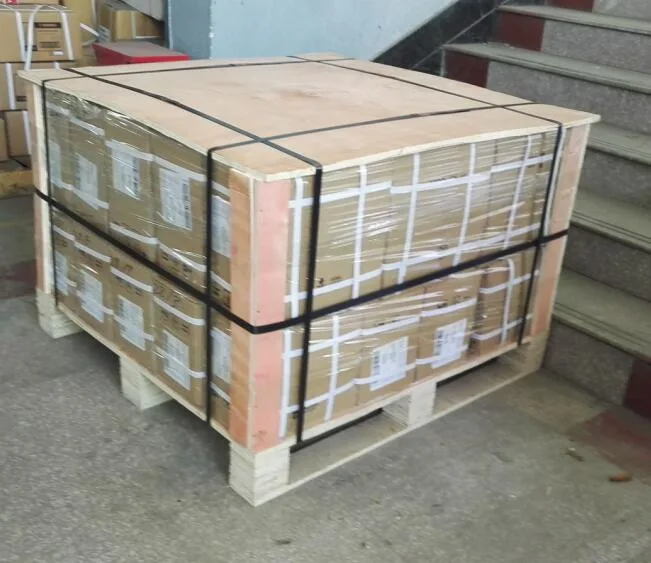
The case for pallets: protection
Stacked under tonnes of other cartons, padlock cartons at the bottom of a pile take a lot of pressure. Long sea voyages add humidity, condensation and repeated handling at transshipment ports. Palletising helps in four ways:
- Less crushing and tearing – the pallet carries the load, so cartons keep their shape and printed boxes stay presentable
- Off the floor – cartons stay clear of water and dirt in warehouses and container yards
- Forklift handling – pallets are moved by machine instead of being thrown by hand, so there are fewer drops and torn corners
- Faster unloading – a forklift clears a pallet in minutes, which saves warehouse labour at your end
If your padlocks are packed in gift boxes or double blister cards for retail shelves, this protection usually matters more than the extra cost.
The case against pallets: cost and volume
Pallets are not free, and neither is the space they take:
- The pallet itself costs money, whether plywood or heat-treated wood
- Every pallet adds height and gaps – roughly 15 cm of pallet under each stack — so a container holds fewer cartons
- Freight is charged on volume for LCL and many land routes, so shipping air between cartons raises your per-piece cost
Our rule of thumb: for a full container load (FCL), floor-loading without pallets is usually the better choice. The cartons fill the container wall to wall, nothing is wasted, and heavy padlock cartons stacked evenly support each other well. For LCL shipments, mixed cargo or long multi-handling routes, pallets earn their cost back in protection.
Plywood or fumigation pallets?
| Plywood pallet | Fumigation (heat-treated) pallet | |
|---|---|---|
| Material | Processed plywood board | Solid wood, heat-treated and stamped |
| Cost | Lower — the economical standard | Higher than plywood |
| Import rules | Processed wood is exempt from ISPM 15 fumigation rules in most destinations | Carries the ISPM 15 mark required for solid wood packaging in strict destinations |
| Best for | Most orders and destinations | Destinations or buyers that specifically require treated solid wood |
Plywood pallets are the type we use most: strong enough for padlock cartons, cheaper, and accepted almost everywhere. Fumigation pallets are prepared when your destination’s rules or your own receiving policy call for them — just let us know.
The best pallet size for containers: 110 × 80 cm
Pallet size decides how much container floor you actually use. We standardise on 110 × 80 cm because two pallets sit side by side across the internal width of a standard container, with almost no wasted floor space. Rows then run cleanly down the length of a 20ft or 40ft container, so you get the maximum number of cartons per container — which brings the per-piece freight cost back down.
Quick decision guide
- Full container, bulk packaging → floor-load, skip the pallets
- LCL or mixed cargo → palletise
- Retail gift boxes / blister cards → palletise to protect the packaging
- Destination requires ISPM 15 solid wood → heat-treated pallets, or plywood where accepted
Tell us when you confirm the order
Palletising has to be planned before packing starts: it changes the cartons per pallet, the stack height and the container loading plan, and therefore the final freight quote. If you need your padlocks palletised — or your warehouse can only receive palletised cargo — tell us at order confirmation, and we will pack and quote accordingly.
FAQ
Is palletising mandatory for padlock orders? No. It is your choice. For full container loads we usually recommend floor-loading; for LCL and retail packaging, pallets are the safer option.
Which pallet do you use as standard? 110 × 80 cm plywood pallets — they pair side by side inside a container and keep costs down. Heat-treated (fumigation) pallets are available on request.
When do I need to decide? At order confirmation, before production and packing begin, so the loading plan and freight quote are correct from the start.
Planning a bulk padlock order? Tell us your quantity and destination and we will quote both options — floor-loaded and palletised — for heavy-duty models such as our Heavy Duty Steel Book Padlock. For how we pack the locks themselves, see our Padlock Packaging Options post — or send us an inquiry.